Windows Replacement
By Marcus Chen
·
2026-04-22
·
5 min read
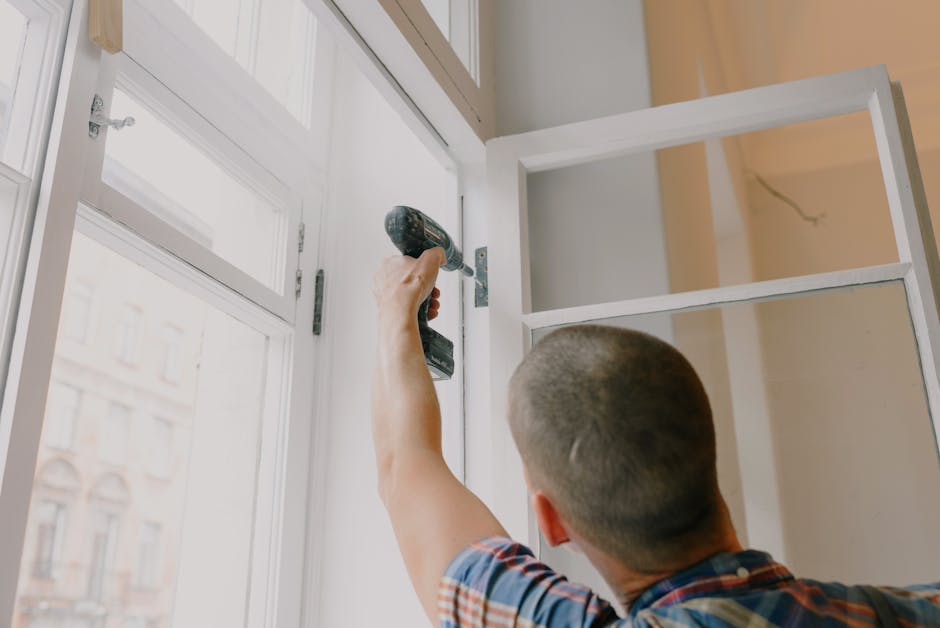
Most homeowners get a single number on a one-page proposal. Here's what's hiding in the gaps.
Most window-replacement quotes are written to be confusing. The friendlier they look, the more is buried in the fine print. Before signing anything, make sure your written quote spells out all seven of these line items.
1. Brand, line, and model number for every window
"Premium double-hung" is not a model. You want the manufacturer (e.g., Pella, Andersen, Marvin, ProVia, ProMaster) and the specific product line. Models within the same brand can vary 40–60% in glass package, frame thickness, and warranty.
2. Glass package — Low-E, gas fill, U-factor, SHGC
U-factor (lower is better) and SHGC (solar heat gain coefficient) are the only honest energy numbers. ENERGY STAR sets thresholds by climate zone — make sure the quote shows them.
3. Frame material
Vinyl, composite, fiberglass, wood-clad. Each has different lifespans (vinyl: 25–35 yrs; fiberglass: 50+; wood-clad: 30+ with maintenance). Don't accept a "premium" label without the material spelled out.
4. Installation method — full-frame vs. insert
Insert (pocket) replacements are faster but keep your old frame. Full-frame replacement removes everything down to the rough opening and is required if there's water damage. The right method depends on the condition of your existing frame, not the contractor's preference.
5. Trim, capping, and caulking detail
Exterior aluminum capping, interior trim restoration, and the type of sealant all matter. Cheap caulking fails in 3–5 years; high-grade silicone-polymer hybrids last 15+.
6. Warranty — material AND labor, in writing
Material warranties from the manufacturer are usually 20+ years. Labor warranties from the installer are the wildcard — anything under 5 years is a yellow flag.
7. Permit, disposal, and cleanup
Most jurisdictions require a permit for whole-home replacement. The contractor should pull it in their name. Old window haul-away and post-install cleanup should be itemized at $0 (included) — not "extra."
Quote red flag: a single bottom-line price with no itemization. Ask for a written breakdown before agreeing to a sit-down sales meeting.
Windows Replacement
By Sara Whitfield
·
2026-04-18
·
5 min read
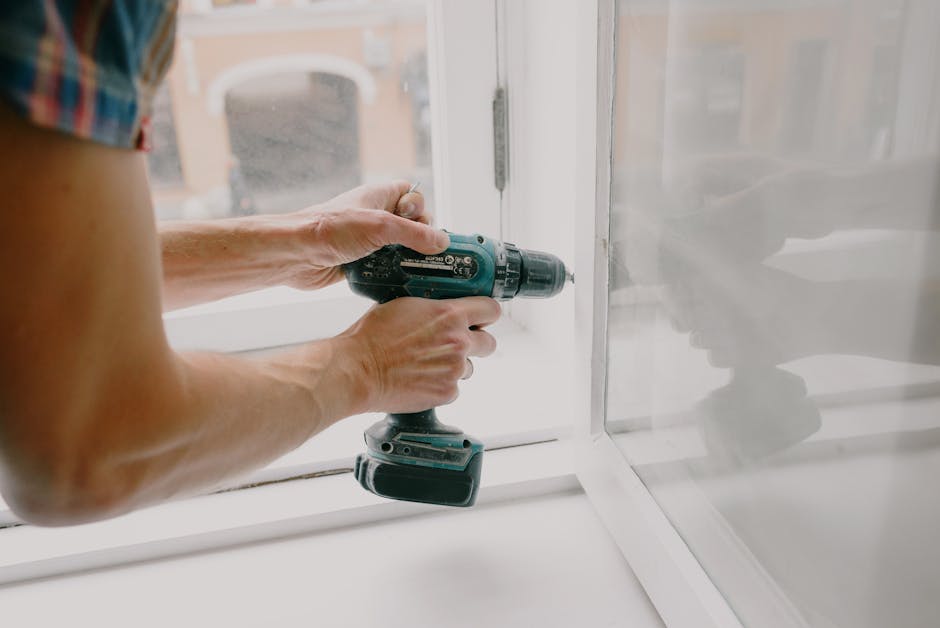
Six simple tests homeowners can do this weekend to know if windows are actually leaking money.
You don't need a thermal camera to figure out whether your windows are bleeding cash. These six tests take about 15 minutes total and require no special tools.
1. The candle test
Hold a lit candle (or incense stick) about 6 inches from the window frame on a windy day. If the flame flickers steadily — air is leaking. Walk all four sides, top, and bottom.
2. The dollar bill test
Close a $1 bill in the window. If you can pull it out without resistance, the seal isn't gripping the sash and you have an air gap.
3. Hand-back-of-hand frame check
On a cold day, run the back of your hand around the inside frame. Cold air is easy to feel — and tells you which side has the worst gap.
4. Fog between panes
Condensation INSIDE a double-pane window means the inert gas seal has failed. Once that happens, the window has lost most of its R-value. Replace within 1–2 years before the next failure point.
5. Touch the glass on a cold day
If the glass feels noticeably cold (vs. cool), you have single-pane or a Low-E coating that's degraded. Modern double-pane glass should feel only slightly cooler than the wall.
6. Check the bill year-over-year
Pull your past 24 months of utility bills. If kWh consumption is climbing for the same usage pattern, your envelope is leaking — and windows are usually the #1 culprit after roof and attic insulation.
Three or more failed tests on the same window? Plan for replacement. One or two failures? Often fixable with weatherstripping and caulking — saving you hundreds without a full job.
Windows Replacement
By Tom O'Connell
·
2026-04-15
·
5 min read
The honest math on which glass package actually saves you money — and where extra panes are wasted.
Salesman pitch: "Triple-pane is always better." Reality: it depends entirely on your climate zone and what you're replacing. Here's the honest breakdown.
Single-pane: virtually never the right choice
Unless you're in a historic district with strict glazing requirements, modern single-pane windows are obsolete. U-factor is typically 0.91+ (worse is higher), and they leak heat.
Double-pane: the sweet spot for 80% of U.S. homes
Two glass panels with a Low-E coating and argon fill. U-factor 0.27–0.35. Cuts HVAC bills 15–25% vs. single-pane. Adds about 30% to material cost. Recoups 65–70% at resale per industry cost-vs-value reports.
Triple-pane: only worth it in cold zones
Three glass panels, two gas-filled cavities. U-factor 0.16–0.22. Adds 30–50% to double-pane cost. The energy savings only justify the premium in climate zones 5+ (roughly the northern third of the U.S., Mountain West, and Great Lakes).
In Texas, Florida, or Southern California? Triple-pane saves maybe $20–$40/year vs. high-quality double-pane. The 8–15 year payback rarely makes sense.
What actually moves the energy needle more than panes
- Low-E coating type (e.g., Low-E2, Low-E3, Low-E366)
- Spacer material (warm-edge swiggle vs. metal)
- Frame insulation (foam-filled vinyl vs. hollow)
- Quality of installation (poor caulk seal can wipe out all glass gains)
Don't buy panes — buy U-factor. Two windows with the same pane count can have wildly different energy performance.
Windows Replacement
By Priya Shah
·
2026-04-12
·
5 min read
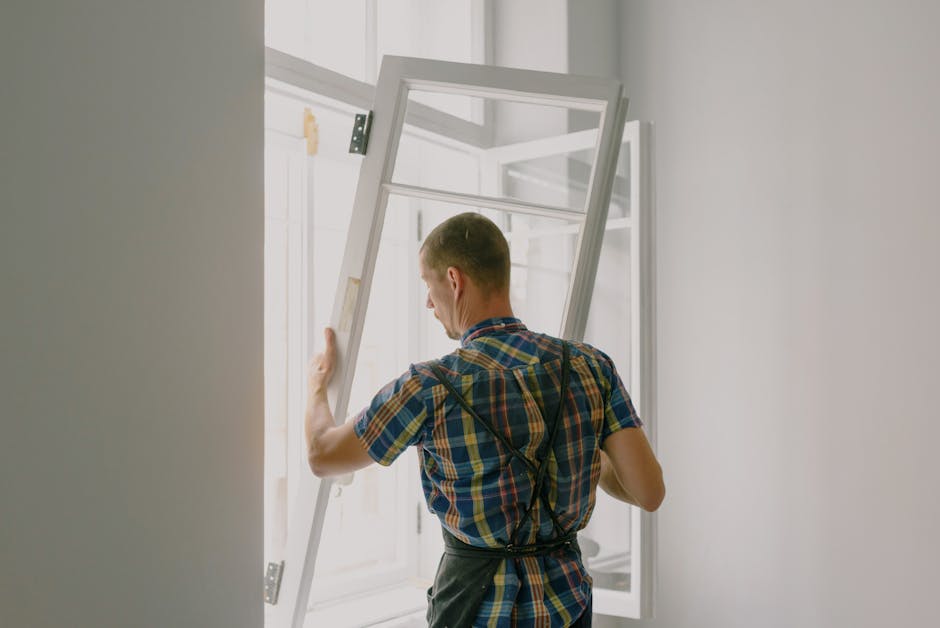
How to spot the leaks, fogs, and frame issues that are quietly inflating your utility bills.
Most homeowners only notice their windows when one breaks. By then, you've usually been overpaying utilities for years. Here are the five most-common warning signs.
1. Drafts you can feel from across the room
If you can sit on the couch and feel air movement from the window, the seal is gone. Even on calm days, temperature differential alone drives air infiltration.
2. Condensation between panes
Fog inside a double-pane unit = failed seal. The argon or krypton fill has leaked out and the glass is now performing as a low-grade single-pane. Common after the 15-year mark.
3. Sticking, jamming, or hard-to-open sashes
Wood frames absorbing moisture, vinyl warping in heat, or balance hardware failing. All point to compromised sealing.
4. Cold spots, hot spots, and uneven rooms
If one bedroom always runs 4–6°F different from the rest of the house, the window is usually the suspect. The HVAC is fighting an envelope leak.
5. Utility bills climbing faster than rate hikes
Pull 24 months of bills. Compare kWh and therms — not dollars. If usage is climbing while your habits haven't changed, the building envelope is degrading. Windows are usually the visible cause; the hidden cause is often weatherstripping aging in concert.
Two or more of these? Time to get quotes. Even a partial replacement of the worst few windows often pays for itself in 4–7 years.
Windows Replacement
By James Caldwell
·
2026-04-09
·
5 min read

When adding storm windows beats full replacement — and saves you 70%.
Replacing all your windows can cost $15,000+. Storm windows can deliver 50–70% of the energy benefit for around $200–$400 per window installed. They're often overlooked because they're not glamorous — but the math is fantastic for homeowners who plan to stay 5+ years and have decent existing windows.
When storm windows make sense
- Existing single-pane windows in good frame condition
- Historic homes where replacement isn't allowed
- Rental properties where ROI matters
- You plan to move within 7–10 years
Interior vs. exterior storm windows
Exterior storm windows are the traditional kind — aluminum or vinyl, mounted outside the existing window. Better aesthetics from the inside, easier seasonal removal.
Interior storm windows (Indow, Climate Seal, etc.) are framed acrylic panels that compress against the inside of your existing window opening. Higher energy gain (acrylic is more insulating than glass), invisible from the street, and don't require contractor install.
Real numbers
A single-pane window with a quality interior storm window adds about R-2 to the existing R-1 unit. Air infiltration drops by 50–80%. In zone 5+ climates, expect $80–$150/year saved per window in heating costs alone — payback in 3–5 years.
If you have decent single-pane windows in solid frames, interior storm windows are the highest ROI energy upgrade in your house — beating attic insulation and HVAC tuning per dollar spent.
Windows Replacement
By Linda Martin
·
2026-04-05
·
5 min read

The 30% credit, the local utility rebates, and the documentation you'll need to claim them.
The federal Energy Efficient Home Improvement Credit (Section 25C) gives homeowners 30% back on qualifying ENERGY STAR Most Efficient windows — up to $600/year. State and utility programs can stack another $50–$500 per window on top. Most homeowners never claim either.
Federal credit — what qualifies
Through 2032: 30% of the cost of ENERGY STAR Most Efficient windows and skylights, capped at $600/year (windows) plus $250 (any single exterior door) plus $500 (multiple doors). Labor for windows is NOT eligible — only the materials.
What you need to claim it
- Manufacturer's certification statement (NFRC label or PIN — keep with your records)
- Itemized invoice separating window cost from labor
- IRS Form 5695 with your tax return
State and utility rebates
Search your state's name + "energy efficient window rebate" plus your utility's name + "window rebate." Common programs:
- Mass Save (MA): $75–$300 per window
- NYSERDA (NY): up to $1,500 stacked with federal
- BPA (Pacific Northwest): $5–$10 per square foot
- Most major utilities offer $50–$150 per qualifying window
The trick most contractors won't mention
Get the manufacturer's NFRC label number BEFORE the install. Snap a photo. The label gets removed during install and that paper trail is what unlocks the credit. Contractors often forget to leave you a copy.
Windows Replacement
By Sara Whitfield
·
2026-04-02
·
5 min read

A weekend DIY that delivers about 70% of new-window comfort improvement at 1% of the cost.
If your windows aren't visibly broken but you feel drafts, the cheapest fix is fresh caulking and weatherstripping. Total tool cost: under $30. Total time per window: about 25 minutes.
What you need
- Tube of high-quality silicone or polyurethane caulk ($8)
- Caulk gun ($6)
- Self-adhesive foam or V-strip weatherstripping ($10)
- Putty knife or 5-in-1 painter's tool ($5)
- Rags, isopropyl alcohol
Step 1: Remove old caulk
Pull failed caulk with the putty knife or 5-in-1. Don't gouge the frame. If caulk is too brittle to grab, soften with a heat gun on low or apply 3-in-1 caulk softener.
Step 2: Clean and dry
Wipe with isopropyl alcohol. The surface must be bone-dry — caulk on a damp surface won't adhere.
Step 3: Bead the caulk
Hold the gun at a 45° angle. One smooth pass — don't restart in the middle. Tool the bead with a wet finger or a caulk-finishing tool.
Step 4: Weatherstrip the sash
Apply self-adhesive foam (compression-fit) or V-strip (spring-fit) along the meeting rail and side jambs. The window should close with slight resistance.
Result
Air infiltration drops 60–80%. In zone 5+ climates, that's typically $40–$80/year saved per window — and the install adds 7–12 years of seal life before you even consider replacement.
Windows Replacement
By Marcus Chen
·
2026-03-29
·
5 min read
The four-tactic playbook of the high-pressure window industry, and what to do instead.
"Hi! We're doing a few houses in the neighborhood…" If you've heard that line, you've met a door-knocking window salesman. They're not the worst people in the world — but their pricing model is built around the homeowner not shopping. Here's how the playbook works.
Tactic 1: The "free in-home estimate" that becomes a 4-hour pitch
The estimator is a salesperson on commission. Their job is to keep you on the couch until you sign. Real local installers send a measurement-only tech and email a written quote within 48 hours.
Tactic 2: The "tonight only" discount
"If you sign tonight, the regional manager approved $4,500 off." That price was always available — the inflated starting number existed only to anchor the discount. The real price is usually 30–45% below the "tonight only" price.
Tactic 3: Shock-and-anchor pricing
The opening bid is 50–80% above market for the same Pella, Andersen, or Marvin product. Even after their "discount," you're still paying 15–25% above what a vetted local installer charges.
Tactic 4: Manufacturing scarcity
"This crew is leaving town next week." "Materials prices are spiking." All standard high-pressure techniques to bypass your normal shop-around instinct.
What to do instead
- Politely decline. They'll push back; stay polite but firm.
- Get 3 written quotes from vetted local installers (we can help match you).
- Ask each for the manufacturer + model + glass package + warranty in writing.
- Compare apples-to-apples. The price gap on identical product can be $5,000+.
A reputable installer will never need you to sign in one sitting. If they do — that's the answer.
Windows Replacement
By Tom O'Connell
·
2026-03-26
·
5 min read

How to pick the right window frame material based on climate, budget, and how long you'll stay.
The frame is more important than the glass for long-term performance. Here's the honest tradeoff between the three mainstream choices in 2026.
Vinyl
Cost: $400–$900/window installed. Lifespan: 25–35 years. Maintenance: Essentially zero.
Pros: Cheapest. Excellent insulation when foam-filled. No painting ever.
Cons: Limited color options (white/tan most common, dark colors warp in extreme heat). Looks like vinyl up close. Frames thicker than fiberglass — slightly less glass area.
Fiberglass
Cost: $700–$1,400/window installed. Lifespan: 50+ years. Maintenance: Low — paintable but rarely needed.
Pros: Most stable material — expands/contracts with glass. Won't warp in heat or shrink in cold. Slim frames, lots of glass area. Paintable.
Cons: Smaller selection. Higher up-front cost. Best brands (Marvin Essential, Pella Impervia, Milgard) cost more than vinyl.
Wood-clad (aluminum or vinyl exterior, wood interior)
Cost: $1,000–$2,500/window installed. Lifespan: 30+ years with maintenance. Maintenance: Re-stain interior every 5–10 years.
Pros: Best aesthetic. Highest resale impact. Best in custom shapes and historic homes.
Cons: Most expensive. Interior wood needs re-staining. If exterior cladding cracks, water can rot the wood interior.
Quick decision tree
- Budget priority + plan to stay < 10 years → Vinyl
- Long-term home in extreme climate → Fiberglass
- Historic / custom / aesthetic-priority home → Wood-clad
Windows Replacement
By Marcus Chen
·
2026-03-22
·
5 min read
Six negotiating moves that work, the order to use them, and the magic phrase most homeowners never try.
Window pricing has more flex than almost any other home improvement quote. Here's the negotiation sequence we've seen work consistently — usually $1,000–$2,500 off a $15,000 project.
Step 1: Get three written quotes first
Negotiating without a competing quote is like playing poker with your cards face up. You need real comparable numbers.
Step 2: Ask for the itemized breakdown
"Can you send me a breakdown of materials, labor, permit, and disposal?" Most installers can — and will reveal where the padding is.
Step 3: Use the lowest competing quote as anchor
"Installer B quoted me $11,800 for the same Pella 250 series with the same glass package. Can you match or beat?" Most reputable installers will beat by 5–8%.
Step 4: Ask about end-of-quarter or end-of-month
Window installers have monthly volume targets with their suppliers. Quote in the last 5 business days of a quarter and you'll often get an extra 3–5% off.
Step 5: Bundle for a discount
Doing 6 windows? Push to 8 with two more discounted (kitchen + small bath). Per-window cost drops because mobilization, permit, and crew time are mostly fixed.
Step 6: Ask for free upgrades, not price
If the contractor won't budge on price, ask for: upgraded glass package (Low-E3 instead of Low-E2), color upgrade (no upcharge), grilles included, full-frame instead of insert. These cost the contractor little but add real value.
The magic phrase
"I'd love to go with you, but I'm $X over budget. Is there anything we can do to close the gap?" — said calmly, with no further explanation. The silence is what works. Let them propose the solution.