Roofing
By James Caldwell
·
2026-04-23
·
5 min read
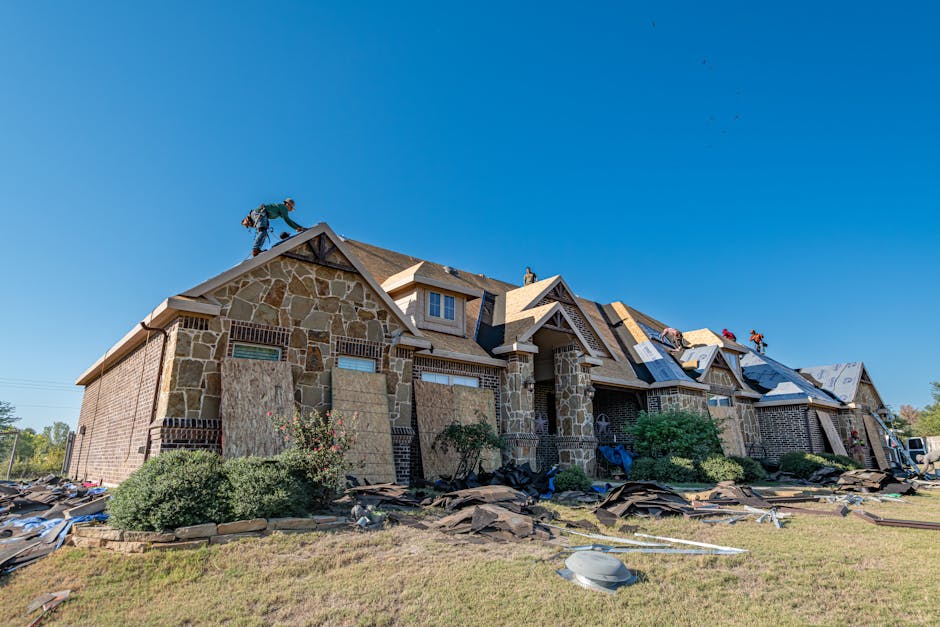
The exact tactics out-of-town roofers use to upsell insurance claims and disappear before warranty matters.
After every major storm, a wave of out-of-state roofing companies rolls into the affected area. They go door-to-door, offer "free inspections," sign homeowners onto inflated insurance claims, and drive away with the deductible-plus-overage check. Most never set up local operations and disappear before the warranty becomes relevant. Here's how to spot them.
The 5 storm-chaser tells
- Door-knocking right after a storm. Real local roofers don't need to door-knock — they have backlogs. Anyone knocking is either chasing storms or just starting out.
- Trucks with out-of-state plates. Walk to the curb and check.
- "Free inspection" that finds damage. They climb up "for free" and always report damage. Sometimes they create the damage themselves.
- "Your insurance will pay everything — even your deductible." Illegal. Insurance fraud. Walk away.
- Pressure to sign a contingency contract before insurance has even seen the roof. The contract often gives them assignment-of-benefits rights to deal with insurance directly. You lose control.
The 5 questions that separate locals from chasers
- How long have you operated at your current local address? (Want 5+ years.)
- Are you a manufacturer-certified installer? (GAF Master Elite, Owens Corning Platinum, CertainTeed SELECT ShingleMaster.)
- Can I see your local business license and proof of liability insurance? (Should produce both immediately.)
- What's your workmanship warranty? (Want 5+ years in writing.)
- Will the same crew foreman supervise the entire job? (Want a yes.)
If you have storm damage
Get TWO inspections from vetted, locally established roofers. File the insurance claim only after you have a clear damage assessment. Never let a contractor file the claim for you.
Roofing
By Tom O'Connell
·
2026-04-19
·
5 min read
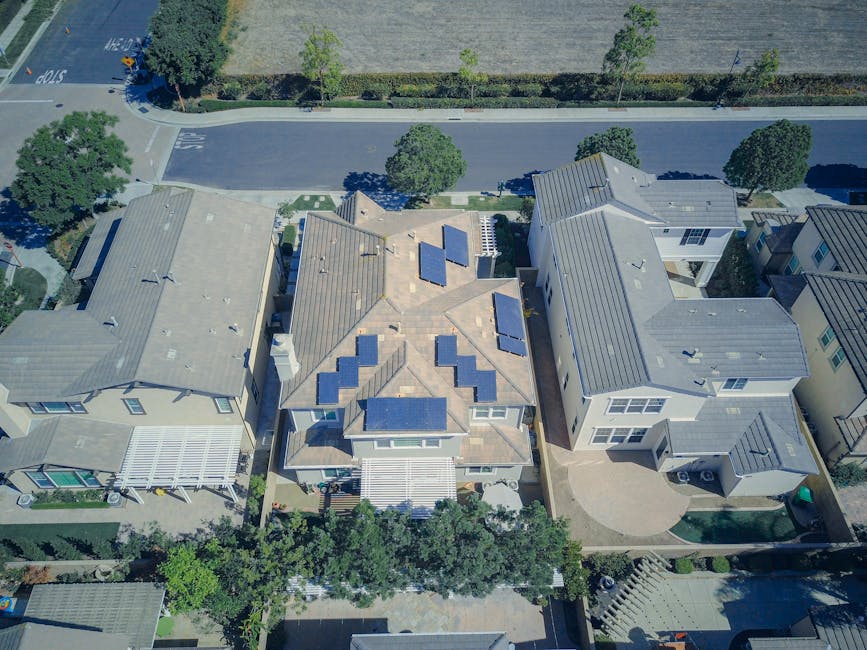
Eleven line items separating real quotes from one-page proposals designed to confuse.
"Whole roof — $14,500." That's not a quote — that's a number. An honest roofing quote should be 2–4 pages and include all eleven of these line items. If yours doesn't, you can't compare contractors apples-to-apples.
The 11 line items
- Roof measurements: total square feet, number of squares (1 sq = 100 sf), pitch.
- Tear-off vs. layover: the quote should specify, with disposal of old material.
- Decking inspection clause: what happens if rotted plywood is found. Typical: $60–$90 per sheet of replacement plywood.
- Shingle brand, line, color: e.g., "GAF Timberline HDZ — Charcoal."
- Underlayment: synthetic (preferred) vs. felt, ice-and-water shield in valleys and eaves (required by code in most northern states).
- Drip edge: color and gauge, on rakes and eaves.
- Flashing: step flashing for sidewalls, counter flashing for chimneys, pipe boots for vents.
- Ridge and ridge vent: brand and ventilation rate.
- Soffit ventilation: existing intake vs. additional needed.
- Permits, dump fees, cleanup: itemized at $0 (included) or as a real number.
- Warranty: manufacturer (typically 30+ years on shingles) AND workmanship (5–10+ years from installer, separately).
The line item homeowners always overlook
Decking replacement clause. Most quotes assume zero rotted plywood. When the crew opens the roof, they almost always find some — and the surprise charge can be $400–$2,000. A quote with a clear per-sheet rate gives you predictability.
Roofing
By Sara Whitfield
·
2026-04-16
·
5 min read

Real per-year cost of each roof type — including replacement frequency and energy savings.
"Metal roofs cost more but last forever." Mostly true — but the comparison is more nuanced when you factor in actual replacement frequency, energy savings, and resale boost. Here's the real lifetime math.
Asphalt shingle (architectural / dimensional)
Cost: $4–$7/sf installed. Lifespan: 22–28 years (rated 30, real-world less). Cost per year: $0.18–$0.28/sf.
Pros: Cheapest. Universal contractor familiarity. Easy repairs. Strong manufacturer warranties.
Cons: Shortest lifespan. Algae streaking. Weather damage compounds.
Metal (standing-seam)
Cost: $9–$16/sf installed. Lifespan: 50+ years (panels) / 25+ years (paint). Cost per year: $0.18–$0.30/sf.
Pros: Longest practical lifespan. Reflects 60%+ heat (10–25% AC savings in hot climates). Class A fire rating. Lighter than tile.
Cons: Highest up-front. Specialized installers only. Hail dents (cosmetic).
Clay or concrete tile
Cost: $14–$22/sf installed. Lifespan: 75+ years (clay), 50+ years (concrete). Cost per year: $0.20–$0.30/sf.
Pros: Longest lifespan of any common roof. Beautiful in Spanish/Mediterranean architecture. Very fire-resistant.
Cons: Heavy — requires structural engineering. Tiles break under foot traffic. Expensive repairs. Cracking in freeze/thaw climates.
The honest answer
For most U.S. homes, asphalt shingle is still the right choice — lowest up-front, best contractor availability, ROI-positive at resale. Metal is best for hot climates, off-grid homes, or homeowners staying 25+ years. Tile is for matching architectural styles in arid climates.
Roofing
By Marcus Chen
·
2026-04-12
·
5 min read
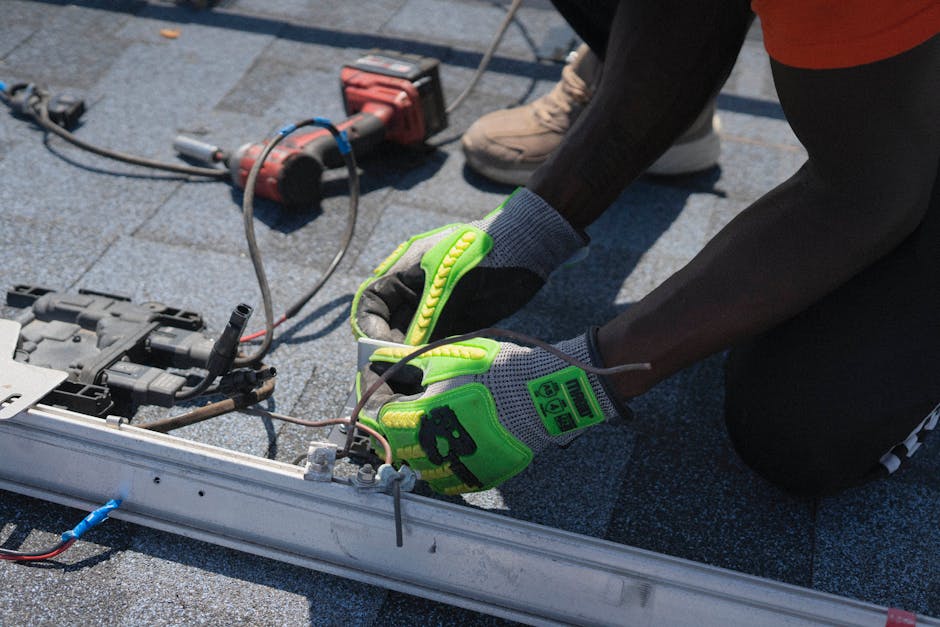
How to identify problems early — without ever climbing a ladder.
The single highest-leverage homeowner habit is a 10-minute ground-level roof inspection twice per year. You don't need to climb anything. Here's the checklist.
Tools
Just binoculars (8x or 10x). Optional: a phone with a zoom lens to capture photos for tracking changes year over year.
What to look for
- Missing or curling shingles — easy to spot from the ground, especially after windstorms
- Granule loss — bare patches of black asphalt = shingle is at end-of-life
- Sagging ridgeline — sight along the peak. Any sag = structural concern
- Dark streaks — algae growth (cosmetic mostly) or moisture infiltration (more serious)
- Lifted shingles around vent pipes and chimneys — flashing failure
- Visible nails on the top side of shingles — installation defect, common cause of leaks
- Gutters full of granules — peek down the gutter outlet. If it's gritty with shingle granules, your shingles are dropping their wear surface
- Inside the attic: daylight visible (= holes). Dark stains on rafters (= leak path). Wet insulation (= active leak).
What's normal vs. urgent
Normal: some granules in gutters in years 5–15, slight algae streaking, some fading.
Urgent: any visible bare spots, missing shingles, sagging, or attic stains.
When to call a roofer
Two or more issues from the urgent list = call within 30 days. Any active interior water = call same day. Otherwise, schedule a professional inspection at year 15 of asphalt shingle life and every 3 years after.
Roofing
By Linda Martin
·
2026-04-08
·
5 min read
-pa.jpg)
How to file a roof claim that gets approved without inflating your premium long-term.
Roof insurance claims are one of the most-mishandled processes in homeownership. Done right, you get a free or near-free new roof. Done wrong, your premium jumps 15–25% for years and you may even get your policy non-renewed.
What insurance covers
- Wind damage (sudden — hurricanes, tornadoes, severe thunderstorms)
- Hail damage (with visible bruising or cracking)
- Falling object damage (trees, branches, debris)
- Fire and lightning
What insurance won't cover
- Wear and tear, age
- Poor maintenance (leaves, missing flashing, moss buildup)
- Manufacturer defects (handled via shingle warranty)
- Cosmetic-only damage (some policies exclude cosmetic-only hail damage)
The right way to file
- Document the storm date with local news clips or NOAA storm reports
- Get a vetted local roofer to inspect first — get their written assessment
- File your own claim with the assessment in hand. Don't let a contractor file for you
- Be present for the adjuster's inspection with your roofer there
- Get the scope of loss in writing from the adjuster
- Compare to your roofer's estimate — adjusters often miss damaged components
When to NOT file
Damage under your deductible (typically $1,000–$2,500). Damage that's clearly age-related. Damage you've delayed reporting more than 60 days. Each of these gets you flagged and can result in non-renewal.
The waiver-of-deductible scam
"Sign with us and we'll waive your deductible." Illegal in most states. Felony insurance fraud. Walk away. Real roofers never offer this.
Roofing
By Tom O'Connell
·
2026-04-05
·
5 min read
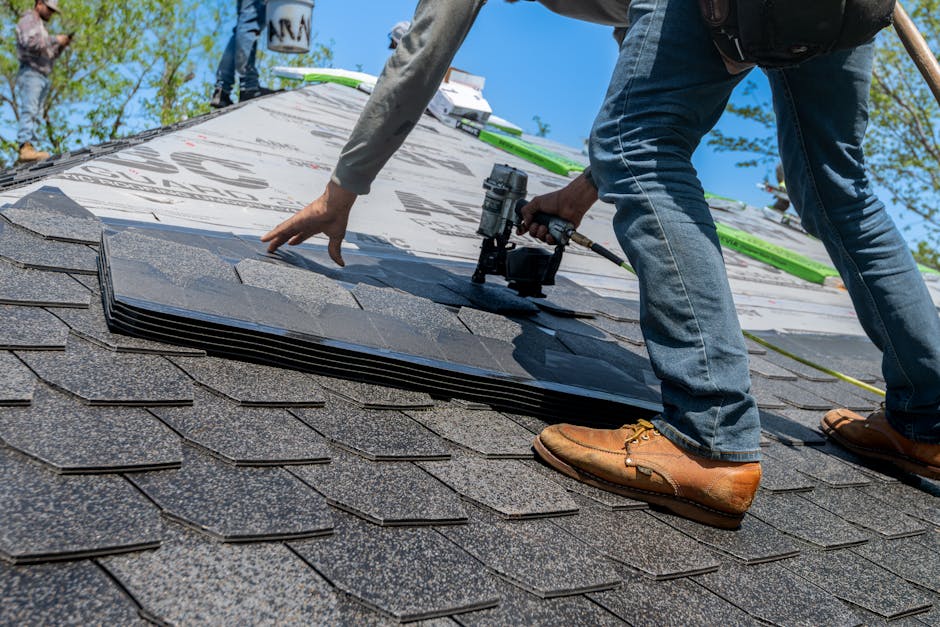
Three-times-a-year tasks that materially extend your roof's life.
Most asphalt roofs fail at year 18–22 of a "30-year" rated lifespan. The gap between rating and reality is usually maintenance. Three habits add 5+ years.
Twice-yearly: clear debris
Spring and fall. Use a roof rake or leaf blower from the ground. Leaves and pine needles trap moisture and accelerate granule loss in valleys and around vents.
Twice-yearly: clean gutters
Clogged gutters back water up under shingles and into fascia. The leading cause of premature shingle failure on the lower courses. 30-minute job per cleaning.
Yearly: visual inspection
Binocular check (see other post). Look for any developing issue early.
As needed: tree-branch trim
Branches overhanging the roof drop debris, abrade shingles in the wind, and provide squirrel/raccoon access. Trim back 6+ feet from the roofline.
Yearly: check attic ventilation
Inadequate attic ventilation cooks asphalt shingles from below. Look for: clear soffit vents (not blocked by insulation), working ridge vent, no signs of moisture or mold on rafters.
Yearly: caulk and flashing check
Where chimneys, vents, and skylights penetrate the roof — caulking degrades in 5–7 years. A quick re-caulk with high-grade roof sealant (Through the Roof, Geocel, NP1) prevents leaks. Best time: warm dry day, late spring.
Every 5 years: professional inspection
Even with diligent DIY, a professional roofer will spot things you miss. Cost: $150–$300. Pays for itself by catching small issues before they become big ones.
What NOT to do
- Don't pressure-wash (strips granules)
- Don't walk on tile or metal roofs (cracks tile, scratches paint)
- Don't apply "roof coating" to asphalt shingles (most reduce lifespan)
Roofing
By James Caldwell
·
2026-04-01
·
5 min read
The cheaper option that usually costs you more in 7–10 years.
"Layover" or "overlay" means installing new shingles over the existing roof. It's cheaper than tear-off — typically saving $1,500–$3,000 on a 1,800 sq ft roof. It almost always costs you more long-term. Here's why.
Why layover seems attractive
- $1,500–$3,000 cheaper
- Faster (1 day instead of 2–3)
- No tear-off mess
- Code allows up to 2 layers in most jurisdictions
Why it costs you more
- Voided manufacturer warranty. GAF, Owens Corning, CertainTeed all require tear-off for full warranty. Layover voids workmanship warranty too.
- Heat trap. Two shingle layers retain more heat. Asphalt shingles fail faster at higher temps. New shingle on top of old shingle: typically 25–30% shorter lifespan.
- Hidden damage stays hidden. Rotted plywood, failed flashing, popped nails, leaks-in-progress — all stay buried under the new layer. Compounding damage.
- Weight. Two layers of asphalt is heavy — about 4 lbs/sf. Old framing wasn't designed for it.
- Worse aesthetics. Layovers telegraph the bumps from the old shingles. The new roof looks wavy and cheap from the curb.
- Resale problem. Buyers' inspectors will spot a double-layered roof. Most lenders flag it. Some buyers walk.
The math
Layover: $11,500. Lifespan: 18–22 years. Annualized: $580/year.
Tear-off: $14,500. Lifespan: 25–28 years. Annualized: $550/year.
Tear-off is cheaper per year of service. Plus you preserve warranty and resale value.
When layover is acceptable
Almost never. The only scenario: budget-constrained homeowner planning to sell within 3 years to a buyer paying cash, and disclosure is given. Even then, get an explicit waiver of expectations from the buyer.
Roofing
By Marcus Chen
·
2026-03-28
·
5 min read
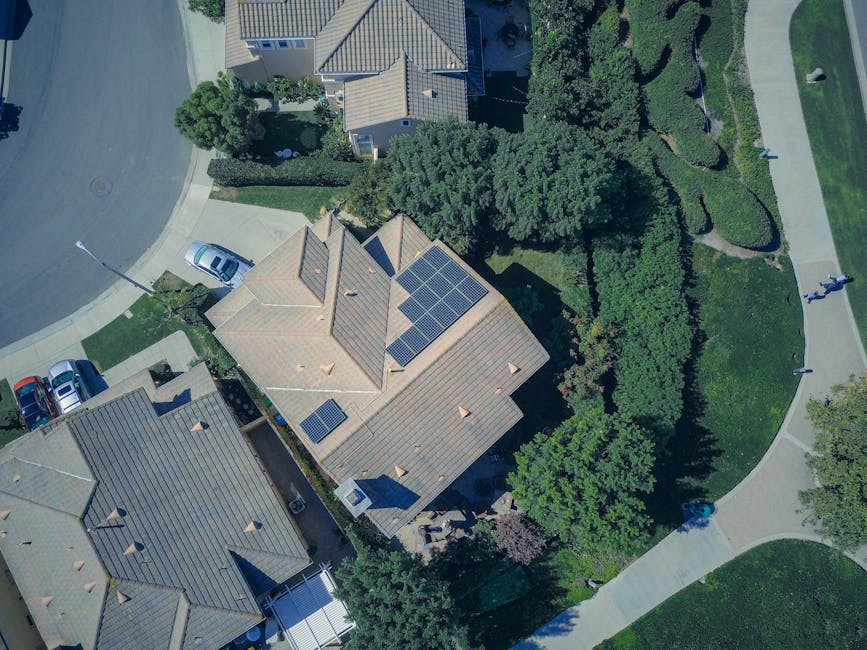
How proper attic airflow extends roof life — and what to look for in your own attic.
The number-one cause of premature asphalt roof failure isn't weather or shingle quality — it's bad attic ventilation. Modern shingles are rated 30 years assuming proper airflow. Without it, expect 18–22 years.
Why ventilation matters
An unventilated attic in summer can hit 160°F. Asphalt shingles age 2–3x faster at those temperatures. The wear surface (granules) bonds to the asphalt and degrades. In winter, trapped warm moist air condenses on cold rafters → mold, sheathing rot, and ice damming at the eaves.
The basic rule
Air should enter at the soffits (eaves) and exit at the ridge. Equal intake and exhaust. Code minimum: 1 sq ft of net free vent area per 300 sq ft of attic floor (1:300 ratio).
Common failure modes
- Insulation blocking soffit vents: Loose-fill blown insulation drifts over time and blocks the intake at the eaves. The fix: add baffles between rafters at the eave to keep airflow open.
- Painted-over soffit vents: Older homes often have soffit vents painted shut.
- Mixing exhaust types: Ridge vent + powered attic fan = the fan pulls air from the ridge instead of the soffits. Pick one exhaust type.
- Gable vents + ridge vent: Same problem. Pick one.
- Bathroom fan vented into attic: Common code violation. The fan must vent to outside, not into attic space.
How to check your own attic
- On a sunny day, go in the attic and look for daylight at the soffits
- If you can't see light = intake is blocked
- Look at the ridge: ridge vent (continuous slot) is best, gable vents are second
- Touch the rafters: any dampness or mold = inadequate ventilation
Cost to fix
Adding baffles to soffit vents: $200–$500 DIY. Adding ridge vent during a roof replacement: $400–$800. Adding a powered attic fan: $300–$600 (only if you don't already have ridge vent).
Roofing
By Priya Shah
·
2026-03-24
·
5 min read
What the certification actually means — and why it matters more than the contractor's reviews.
The major asphalt shingle manufacturers (GAF, Owens Corning, CertainTeed, Tamko, Atlas) each have certification programs for installers. The top tier earns the strongest warranties — and is the single biggest predictor of installation quality.
Top-tier certifications
- GAF Master Elite: Top 2% of GAF installers. Full Golden Pledge warranty (50-year materials + workmanship-with-tear-off).
- Owens Corning Platinum Preferred: Top tier. Includes Platinum Protection Limited Warranty (lifetime coverage on most components).
- CertainTeed SELECT ShingleMaster: Top tier. Eligible to offer the SureStart PLUS warranty (50 years on most products + workmanship coverage).
Why it matters
- Warranty value. Standard manufacturer warranty covers materials only. Top-tier certifications unlock 50-year workmanship coverage. The difference is real money — a leak at year 18 is covered vs. not.
- Quality screen. To stay certified, installers must maintain training, complete continuing education, and pass quality audits.
- Backed install. If the contractor goes out of business mid-warranty, the manufacturer backs the workmanship coverage.
How to verify
Each manufacturer has an online lookup:
- GAF: gaf.com/contractor-search
- Owens Corning: owenscorning.com/roofing/find-a-contractor
- CertainTeed: certainteed.com/find-a-pro
Type the contractor's name. If they appear with the top-tier certification, verified.
The trick salesmen play
"We install Owens Corning shingles" is not the same as "We're Platinum Preferred." Anyone can install OC shingles — being a certified installer is a different status entirely. Ask explicitly.
Should you pay extra?
Top-tier certified installers typically charge 5–12% more than uncertified competitors. The warranty value alone usually makes up that gap, especially on a 25–30 year asphalt roof.
Roofing
By Dana Reyes
·
2026-03-20
·
5 min read
Six negotiating moves that work — and the timing window that adds another 5%.
Roofing pricing has more flex than most homeowners realize. Here's the playbook for getting $1,500–$3,000 off a typical $14,000 quote.
1. Three quotes, same scope
Same shingle, same line, same color, same underlayment, same warranty. Variance of 20–30% on identical specs is normal between contractors.
2. Time your install for shoulder season
Roofers' busy season is May–August. October–November (after the back-to-school rush) and February–April (before peak season) are slower. You'll get 5–10% better pricing and faster scheduling.
3. Ask about cash discount
Many roofers offer 2–4% off for cash/check vs. credit card. They avoid 2–3% processing fees and share the savings.
4. Bundle gutter replacement
If your gutters are 15+ years old, replace them with the roof. Combined cost is usually 15–20% less than separate jobs (one mobilization, one cleanup, one crew day).
5. Use the lowest competing quote as anchor
"Contractor B quoted $12,300 for the same GAF Timberline HDZ Charcoal with full tear-off and synthetic underlayment. Are you able to match?" Most reputable contractors will beat by 4–7% to win the job.
6. Push for free upgrades, not price cuts
If the contractor won't budge on price, ask for: ridge vent upgrade, ice-and-water shield extended to all eaves, premium pipe boots, drip edge upgrade, longer workmanship warranty. Each adds real value, costs the contractor little.
The end-of-month trick
Contractors targeting monthly volume targets are most flexible in the last week of the month. Quoting in the last 5 business days often unlocks an extra 3–5%.
The phrase that works
"I want to give you the job, but I'm $X over budget. What can we do?" Then stop talking. Silence usually produces a counter-offer within 60 seconds.