Kitchen Remodeling
By Dana Reyes
·
2026-04-21
·
5 min read
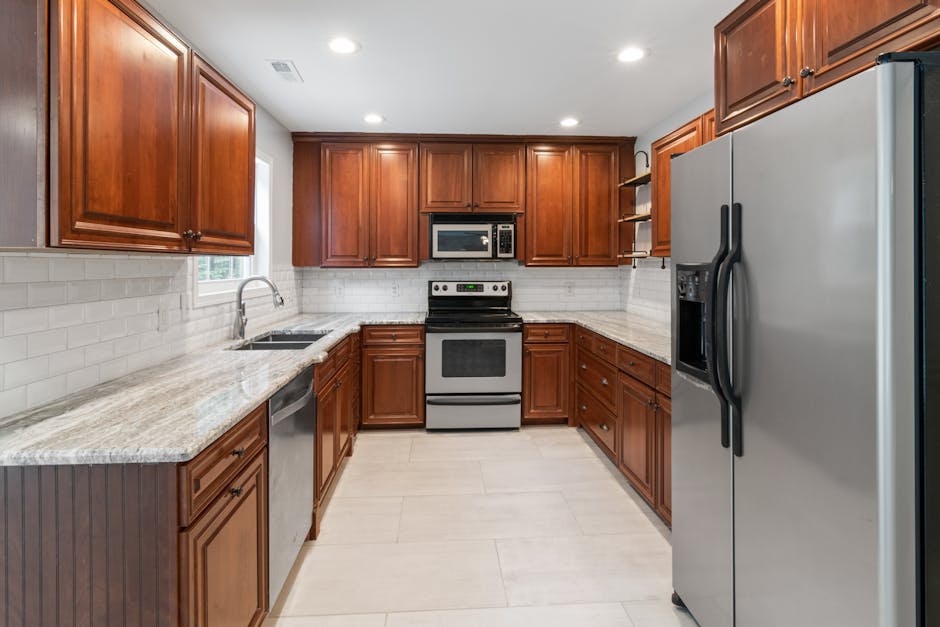
The most common ways homeowners overspend by $10,000+ on a remodel — and how to dodge each one.
Kitchen remodels are the highest-stakes home improvement decision most owners make. The room compounds every choice — cabinet, counter, appliance, electrical, plumbing — and small mistakes get expensive fast. Here are the eight money traps to dodge.
1. Falling for the showroom markup
Big-name kitchen showrooms typically markup 35–55% over a vetted local cabinet shop for the same construction. The cabinet brand on the door doesn't matter — wood quality, joinery, and hardware do.
2. Custom shapes that don't earn their cost
Curved cabinet doors, glass mullions, and angled corners can add $4,000–$8,000 to cabinet cost. Buyers don't pay extra for them at resale.
3. Imported counter slabs
Italian Calacatta marble is beautiful — and 4x the cost of a domestic quartz that mimics it. Visit the slab yard and pick the actual slab you want; you'll often find domestic quartz that beats imported marble visually.
4. Specialty appliance brands
Wolf range vs. KitchenAid Pro: $3,500 difference. Cooking performance: virtually identical. Sub-Zero fridge vs. KitchenAid built-in: $5,000+ difference. Reliability ratings: KitchenAid often higher.
5. Layout changes that aren't worth it
Moving the sink/dishwasher costs $1,500–$3,500 in plumbing alone. Make sure the layout improvement justifies it.
6. Cheap floors in a premium kitchen
$3 vinyl on $40k cabinets is the giveaway tell. If you can't afford $7+/sf flooring, scale the cabinet budget down.
7. Skipping under-cabinet lighting
$300–$500 for hardwired LED. Doubles perceived quality of the entire kitchen. The most-skipped, highest-impact upgrade.
8. Adding the island just because
An island needs 42–48" clearance on all sides. In a galley or smaller U-shape, an island reduces functionality. A peninsula often serves better in tighter spaces.
Kitchen Remodeling
By Marcus Chen
·
2026-04-17
·
5 min read
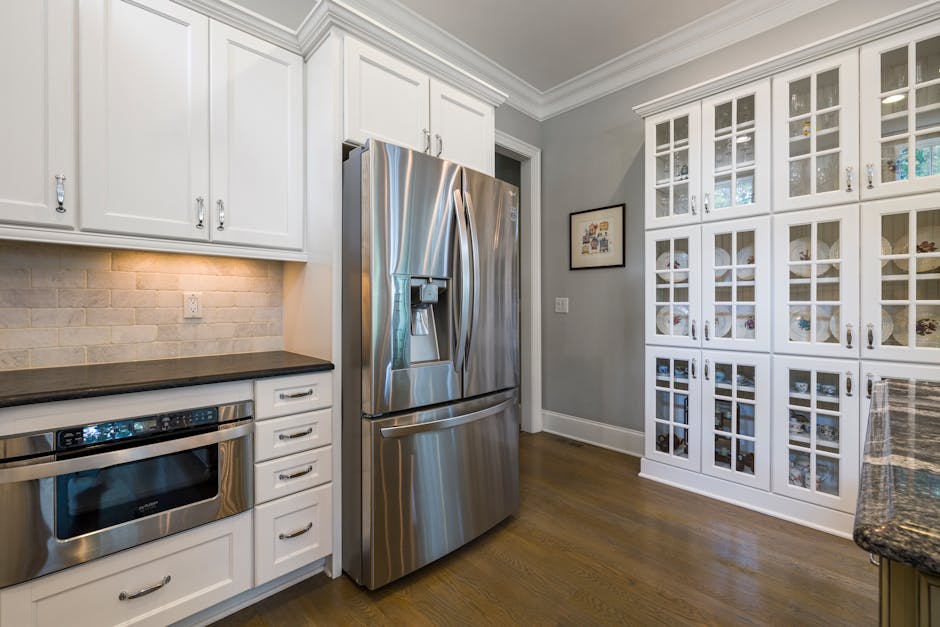
How to pick the right cabinet tier without paying for marketing.
Cabinets are 30–40% of most kitchen budgets. The right tier depends on your home value, kitchen size, and how long you'll stay. Here's the honest breakdown.
Stock cabinets: $80–$150 per linear foot
Pre-made in standard sizes (3" increments). Available next-day at home improvement stores. Construction is typically MDF or particleboard with thermofoil or laminate doors. Best for: rentals, starter homes, kitchens under $20k total budget.
Semi-custom: $150–$300 per linear foot
Wider size selection, choice of door styles, finishes, and modifications. Plywood box construction, soft-close doors, dovetail drawers in better lines. Best for: most homes between $400k–$1M. The sweet spot for 70% of homeowners.
Custom: $300–$700+ per linear foot
Built to your kitchen exactly. Solid wood construction, integrated paneling, any size, any finish. 8–14 week lead time. Best for: $1M+ homes, layouts with unusual angles, or homeowners willing to pay for craftsmanship.
Where to actually buy semi-custom
- Local cabinet shop — best price, owner-installer, accountability
- KraftMaid, Aristokraft, Schrock (mid-tier semi-custom, sold through dealers)
- Direct-to-consumer brands (CliqStudios, Cabinets.com, RTA brands) — 25–40% less, more assembly required
What separates good cabinets from great
- Box: ½" or ¾" plywood (not particleboard)
- Drawers: dovetail joinery, solid wood
- Slides: under-mount, soft-close, full-extension
- Hinges: 6-way adjustable, soft-close
- Door material: solid wood or solid MDF (not thermofoil)
Kitchen Remodeling
By Linda Martin
·
2026-04-13
·
5 min read
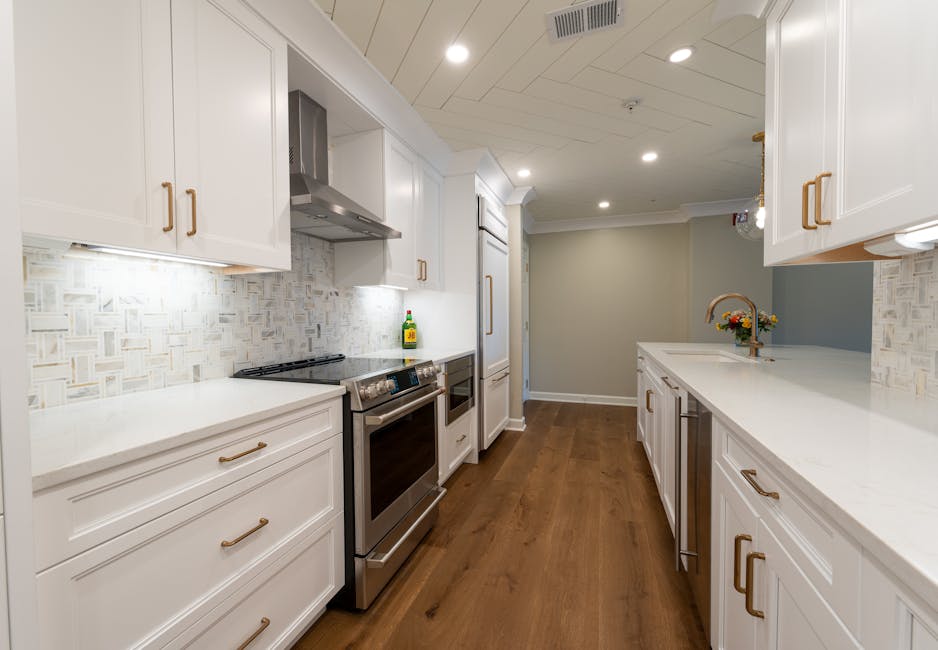
Compared head-to-head: cost per square foot, lifespan, repair, and maintenance.
Counter material is the most-asked kitchen question. Each has real tradeoffs. Here's a brutally honest comparison.
Quartz (engineered stone)
Cost: $60–$120/sf installed. Lifespan: 30+ years.
Pros: Zero maintenance, no sealing, stain-resistant, antimicrobial, consistent appearance. Modern quartz mimics marble or stone convincingly.
Cons: Heat damage if hot pans hit directly. Not heat-tolerant like granite. Can scorch.
Granite (natural stone)
Cost: $50–$100/sf installed. Lifespan: 50+ years.
Pros: Heat-tolerant. Each slab unique. Adds resale value buyers recognize. More forgiving on hot pans.
Cons: Requires sealing every 1–2 years. Porous — can stain (red wine, oil). Some patterns look "1990s."
Butcher block
Cost: $30–$80/sf installed. Lifespan: 20+ years with maintenance.
Pros: Warmest aesthetic. Knife-friendly. Sandable to refresh.
Cons: Needs oiling monthly, sealing every 6–12 months. Stains and scratches. Not water-tolerant near sinks.
Marble (mentioned for completeness)
Cost: $80–$200/sf installed. Beautiful but most-stained material in any kitchen. Skip unless you accept etching as patina.
The hybrid strategy
Quartz on 90% of counters, butcher block on the island prep zone (or one workstation). Best of both worlds: maintenance-free main surface + warm baking/prep zone.
Kitchen Remodeling
By Tom O'Connell
·
2026-04-09
·
5 min read
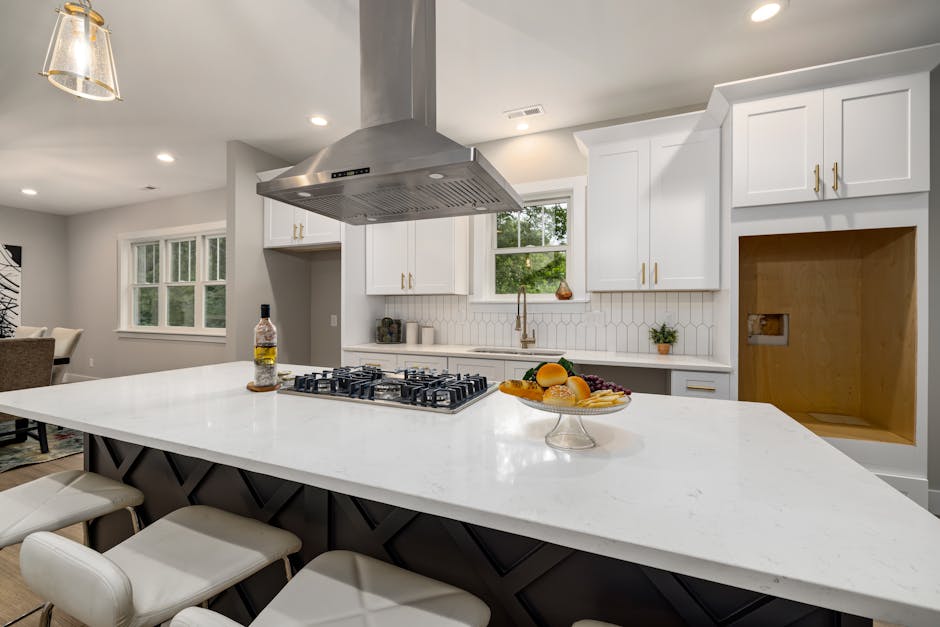
Where to buy, when to buy, and the brand vs. line distinction nobody explains.
Appliance pricing fluctuates wildly. The same KitchenAid range with the same warranty can swing $700 between retailers in the same week. Here's how to actually save.
The 4 best times to buy
- Memorial Day (late May): 15–25% off most major brands
- Labor Day (early Sept): Same — these are the two biggest sales of the year
- Black Friday week: Mostly hype, but a few deep discounts
- Late September / early October: Model-year transitions — last year's models drop 25–35%
Where to buy
- Local appliance specialty stores — best service, often beat chain prices
- Home Depot / Lowe's during sales
- AJ Madison, Designer Appliances, Best Buy (bigger online catalog)
- Avoid Costco for appliances — limited models, slow delivery
The brand-vs-line trick
"KitchenAid" makes everything from $500 dishwashers to $2,500 ones. The brand on the badge doesn't tell you the quality. Look at the LINE: e.g., KitchenAid KDPM704 vs. KDFE104. The model number tells you the actual tier.
Where to splurge
- Range/cooktop (used daily, lasts 15+ years)
- Refrigerator (lasts 12–15 years, expensive to replace)
Where to save
- Dishwasher (most premium dishwashers don't actually clean better)
- Microwave (commodity item — basic LG or Whirlpool is fine)
- Range hood (if not visible, basic insert is fine)
Kitchen Remodeling
By Sara Whitfield
·
2026-04-06
·
5 min read
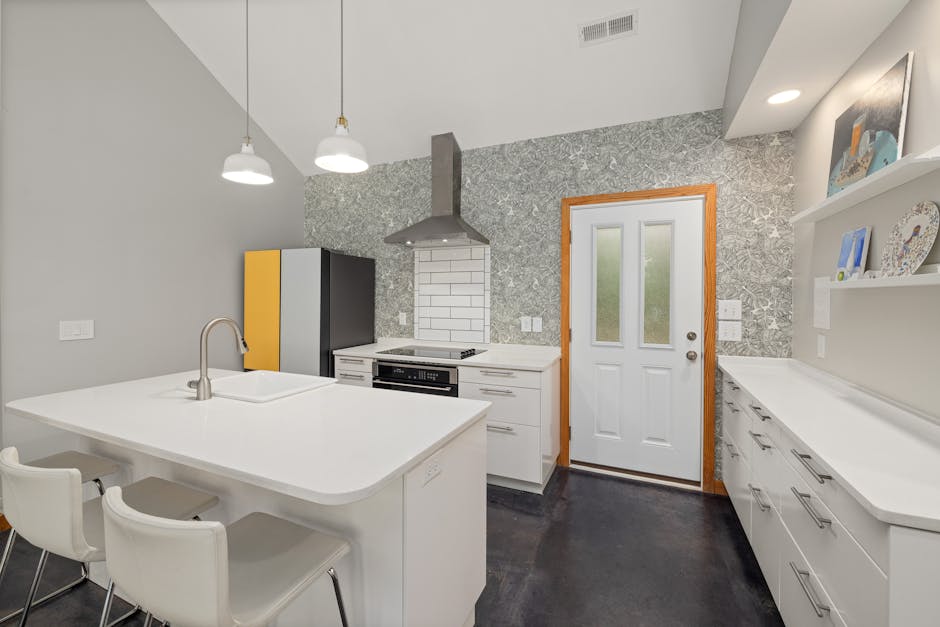
Paint, hardware, lighting — three changes that buy time before a full remodel.
If you can't yet swing a full kitchen remodel, three changes deliver 60% of the visual upgrade for 5% of the cost. Total budget: $1,500. Total time: one long weekend.
Step 1: Paint the cabinets ($300–$500)
Use cabinet paint (Benjamin Moore Advance or SW Emerald Urethane Trim — not regular wall paint). Light sand, prime with bonding primer (BIN or Stix), 2 coats finish. Color: navy, sage, charcoal, or off-white over warm-tone bases.
Step 2: New hardware ($150–$300)
Knobs and pulls in matte black, brushed brass, or satin nickel. Skip thin-style hardware on Shaker doors — go with chunky bin pulls or modern T-bars.
Step 3: Lighting upgrade ($300–$500)
- Replace any flush-mount with a modern semi-flush or pendant
- Add under-cabinet LED strip lighting (hardwired or plug-in)
- Add 1–3 pendants over an island or peninsula if you have one
Bonus: $200 in accessories
New faucet (most underrated upgrade — $150 modern matte black or brushed gold pull-down faucet replaces a tired chrome two-handle). New cabinet pulls if budget allows.
What you skipped
Cabinets, counters, appliances, layout. The kitchen still looks 80% better. Buy 3–5 years before a full remodel.
Kitchen Remodeling
By Dana Reyes
·
2026-04-02
·
5 min read
The single biggest tip for getting the counter you actually want — and avoiding sticker shock.
Most homeowners pick their counter from a 4×4" sample at a kitchen showroom. That sample doesn't reflect what your actual slab will look like — and the variance is huge. Visiting the slab yard fixes this.
What you're actually buying
Stone counters are cut from natural slabs (or quartz mother sheets). Each slab varies in pattern, color, and movement. The 4×4" showroom sample shows only a small slice. The actual slab can be markedly different.
What to do at the slab yard
- Ask the fabricator which yard supplies them
- Schedule a yard visit (usually free, by appointment)
- Walk the rows of slabs in your material category
- Photograph slabs you like with their tag (yard ID + slab number)
- "Reserve" 1–2 specific slabs with the fabricator
What to look for
- Movement: Where does the veining run? Do you want it diagonal, horizontal, or matchbook?
- Color match: Bring a cabinet door sample to compare against the slab
- Defects: Cracks, fissures, fills. Most are cosmetic but ask
- Slab size: Will your kitchen fit on one slab or require two? Two-slab jobs need bookmatching
Bookmatching
If your kitchen needs two slabs, ask if they can be bookmatched (cut so the veining mirrors at the seam). Looks dramatically better. Costs the same.
The phrase to use
"I'd like to pick my own slab — which yard do you source from?" Any reputable fabricator says yes immediately. The ones who push you toward photos-only are usually buying remnants.
Kitchen Remodeling
By Marcus Chen
·
2026-03-29
·
5 min read
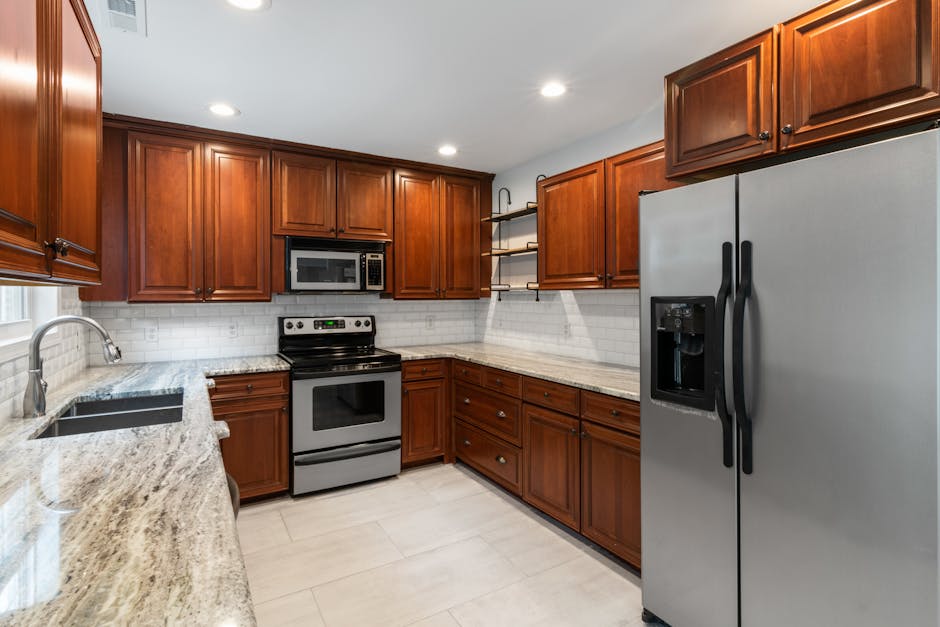
The clearance, plumbing, and traffic-flow rules that decide whether your island helps or hurts.
Islands are the most-requested kitchen feature — and the most often forced into kitchens too small for them. Here's how to know if your kitchen wants one.
The 42–48" rule
You need 42" of clear walking space on every side of an island used for cooking. 48" if it has seating. If your kitchen can't accommodate that, an island will hurt usability — even if it makes the room "look like" the magazines.
Better alternatives in tight kitchens
- Peninsula: One end attaches to existing cabinetry. Same prep space, no clearance issue on the attached side.
- Rolling cart: Stainless butcher-block cart on casters. Move it for big jobs, push it aside otherwise.
- Pull-out work surface: Cabinet pulls out a counter extension when needed.
Plumbing or electrical in the island
- Sink in island: Adds $1,500–$3,500. Pros: prep zone with water access. Cons: no place for backsplash, water can splash onto seating.
- Cooktop in island: Adds $2,500–$5,000 (range hood vent run). Pros: cook facing the room. Cons: requires downdraft or expensive ceiling vent.
- Outlets only: Cheapest. Required for any countertop seating area. Code mandates GFCI.
Seating
Counter-height seating: 36" island height, 24" stool. Bar-height seating: 42" island, 30" stool. Pick one — don't mix heights on the same island.
The size that disappoints
Islands smaller than 36" × 60" feel like a waste. If the layout can't support that minimum, skip the island and run double-row cabinets on opposite walls instead.
Kitchen Remodeling
By James Caldwell
·
2026-03-26
·
5 min read

Why a 15% GC markup is usually money well spent — and when it's not.
General contractors charge a 12–22% markup over subs and materials. To homeowners doing math at the kitchen table, that looks like pure margin. Here's what you're actually buying.
What the GC handles
- Sourcing and scheduling subs (plumber, electrician, tile, drywall, painter)
- Sequencing the trades (rough-in before drywall, etc.)
- Permits and inspection scheduling
- Material delivery coordination
- Punch list and warranty calls
- Payments to subs and suppliers
What happens without a GC
Some homeowners self-GC. The savings can be real ($4,000–$10,000 on a $40,000 remodel). The hidden costs are real too:
- Wrong sequencing — drywallers show before electrical inspection passes
- Material delivery mismatches
- Sub no-shows or quality disputes
- Permit fines if pulled in homeowner's name
- Project timeline 30–50% longer than with a GC
When self-GC works
- Cosmetic refresh only (paint, hardware, fixtures, no permits)
- You have prior construction experience
- Project is small (single-room, single-trade)
- You can be on-site daily
When you absolutely want a GC
- Layout changes (moving plumbing, electrical, walls)
- Multiple trades involved
- Permits required
- You work full-time
- Resale-quality finish work matters
The fair markup
A GC quoting 15–20% over costs is fair. 25%+ is high (you're paying for showroom overhead). Under 10% is usually a sign of cut corners — they're undercapitalized and will lean on subs to absorb cost overruns.
Kitchen Remodeling
By Priya Shah
·
2026-03-22
·
5 min read
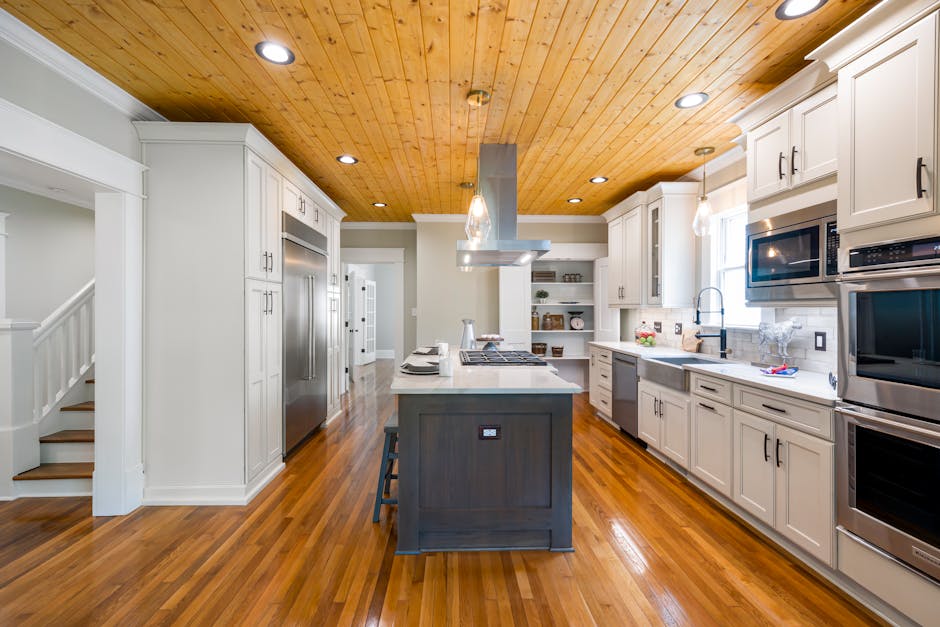
Designer pricing tactics homeowners can use directly with cabinet shops.
Interior designers buy cabinets at a "trade discount" of 25–40% off MSRP. You can't get the trade discount directly — but you can get most of the way there with the right approach. Here's the playbook.
1. Get three quotes on the same spec
Same brand, same line, same finish, same hardware. Each shop will quote a different price for identical product. Variance of 15–25% is common.
2. Ask for "builder pricing"
Many shops have an unspoken builder/designer pricing tier. Asking explicitly often unlocks 8–12% off retail. Use this exact phrase: "Do you have a builder or trade-pricing tier I can qualify for if I'm doing the whole kitchen?"
3. Time the order to a sales event
Major brands run sales 3–4x per year (typically Memorial Day, Labor Day, end-of-year, and a spring promo). Cabinet pricing doesn't move much, but free upgrades (soft-close on every drawer, free dovetail joinery, free upgraded finish) often appear during these windows.
4. Reduce molding and trim count
Crown molding, light rail, scribe molding, toe-kick — each adds margin. A "decorative" cabinet package can be 18–25% of total cabinet cost in trim alone. Strip what you don't need.
5. Use stock sizes wherever possible
Custom-width cabinets cost 30–50% more than stock sizes. Configure the kitchen around 12, 15, 18, 21, 24, 30, 33, 36" widths.
6. Direct-to-consumer brands as leverage
Get an online quote from CliqStudios or Cabinets.com on the same spec. Walk into your local shop with that quote: "I can save 30% online. Are you able to get closer?" Most local shops will come down 10–15% to keep your business.
7. Pay with cash/check, not financing
Some shops offer 2–4% off for cash payment. The shop avoids credit card processing or financing fees and often shares the savings.
Kitchen Remodeling
By Linda Martin
·
2026-03-18
·
5 min read
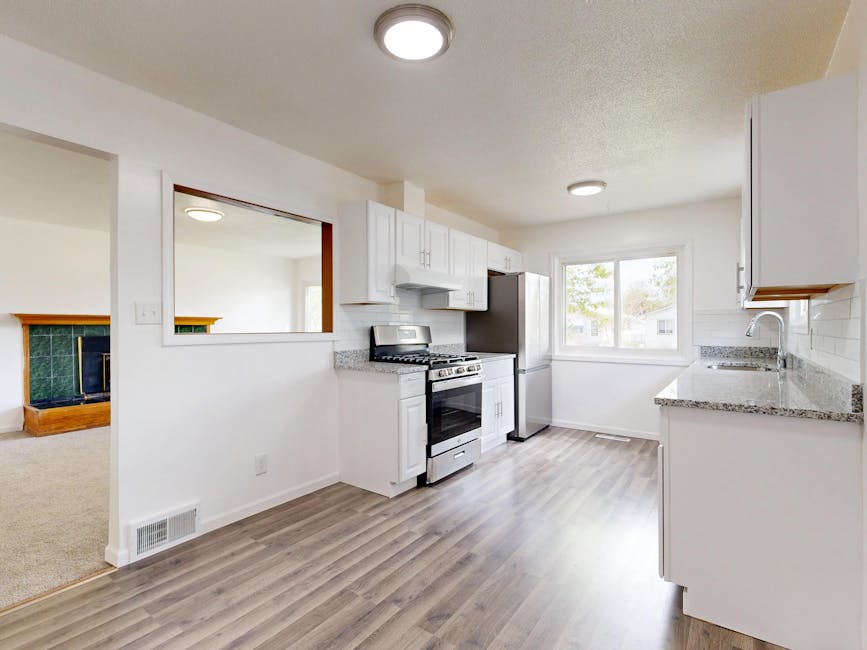
Where every remodel dollar moves the appraisal needle — and where it doesn't.
Most kitchen remodels recoup 60–75% at resale. That's the average. Specific upgrades vary wildly. Here's where the dollars actually return — and where they evaporate.
What buyers pay extra for
- Quartz or granite counters — the single highest-ROI upgrade. Recoups 70–95% (sometimes 100%+).
- Stainless or premium-tier appliances (matched set) — recoups 60–80%. Matching matters more than brand.
- Soft-close dovetail cabinets in white, navy, or wood tones — recoups 70–80%.
- Tile or hardwood floors (not vinyl) — recoups 55–70%.
- Open layout (removed wall to family room) — recoups 80–110% in suburban markets where buyers expect open-concept.
What buyers don't pay extra for
- Top-tier appliance brands (Wolf, Sub-Zero, Miele) — buyers see "stainless" and don't know the difference
- Imported or designer counters — they like quartz; the brand doesn't matter
- Custom backsplash with imported tile — recoups 25–40%
- Wine fridge, beverage center, second dishwasher — niche features
- Smart appliances — depreciate to zero in 5 years
- Trendy paint colors (deep colors that read "of an era")
The 60-30-10 rule
For best resale ROI, spend 60% of budget on cabinets/counters/appliances, 30% on plumbing/electrical/finishes, and 10% on aesthetic accents (lighting, hardware, backsplash). Spending more than 15% on accents almost always hurts ROI.
The single best dollar
Under-cabinet LED lighting. $300 of materials, 2 hours of work. Buyers notice immediately. The cheapest "wow factor" upgrade in the kitchen.