Home Warranty
By Marcus Chen
·
2026-04-22
·
5 min read

The honest math on whether a home warranty pays you back — by home age and system condition.
"Home warranty" is one of the most-marketed homeowner products. It's also one of the most polarizing — homeowners either love them or feel cheated. The reality: it depends entirely on your home's age and system conditions. Here's the math.
The core economics
Average plan: $50–$80/month = $600–$960/year. Service-call fee: $75–$125 per claim. Average claim payout: $400–$1,200. Most plans cover 12–18 system/appliance categories.
When a warranty pays
Strong yes:
- Home is 15+ years old
- HVAC is original or near end of life
- Water heater is 8+ years old
- Appliances are aging out (10+ years)
- Multiple systems are due for failure within 2–3 years
Math: average homeowner files 1.4 claims per year. At $700/claim avg, that's $980 in benefit. Premium $720. Net positive.
When a warranty doesn't pay
Strong no:
- Home is < 5 years old
- Appliances are recent (under 5 years)
- HVAC was replaced in last 7 years
- You have an emergency fund > $5k
- You're a confident DIYer
Math: claim frequency drops to 0.2/year. $140 in benefit. Premium $720. Net negative $580/year.
The buyer's market exception
If you're buying a home, getting a 1-year seller-paid home warranty is a common closing-cost ask. Costs the seller $400–$600. Benefits you in case anything fails in year one. Almost always worth requesting in negotiations.
The middle case
10–15 year old homes with mixed-age systems: warranty often pays back the first year (when something invariably fails) but breaks even or falls behind in subsequent years.
Strategy: buy the warranty for one year. File any pending claims. Cancel after the first renewal if you don't see ongoing value.
The carrier matters more than the math
Even when the math is positive, picking a low-quality carrier can wipe out the value. Top complaints: claim denials for "pre-existing conditions," excluded line items, slow tech assignment. Always check JD Power scores and BBB ratings.
Home Warranty
By Linda Martin
·
2026-04-18
·
5 min read

The fine-print exclusions that turn approved repairs into denied claims.
Home warranty marketing emphasizes "covered systems and appliances." The fine print is where claims actually live or die. Here are the most common exclusions that surprise homeowners.
Pre-existing conditions
The biggest exclusion. If something was failing before your coverage started, it's not covered. Most carriers require a 30-day waiting period before any claim is eligible.
Watch for: intermittent issues you've ignored. The first denied claim almost always comes here.
Improper maintenance
Failure caused by lack of maintenance is excluded. Examples:
- HVAC failure when filter hasn't been changed in years
- Water heater failure with sediment buildup (you're supposed to flush annually)
- Drain clog from grease/buildup (you're supposed to maintain)
Improper installation
If something was installed incorrectly (even before you bought the home), it's excluded. The technician will sometimes flag this and walk away.
Code violations
If repairing the item requires bringing it to current code, the upgrade portion is excluded. Common with electrical (panel upgrades, GFCI requirements) and plumbing (drain pipe sizing).
Cosmetic damage
Functional vs. cosmetic. A dent in a fridge door isn't covered if the fridge still works. A cracked toilet tank isn't covered if water still flows.
Refrigerant beyond a small allowance
HVAC refrigerant recharge: usually $100–$300 covered. Anything beyond that, you pay.
Specific system components
- HVAC ductwork (often excluded or sub-limited)
- Refrigerator ice makers (sometimes excluded)
- Pool equipment (almost always excluded — separate add-on)
- Spa equipment (almost always excluded)
- Outdoor irrigation (almost always excluded)
- Septic system (sometimes excluded)
- Well pump (sometimes excluded)
Hauling away old units
Disposing of a failed water heater or HVAC unit isn't covered. Out-of-pocket: $100–$300.
Crane fees, special access
If repairing the unit requires a crane (rooftop HVAC), special access, or extra labor, those costs are usually excluded.
The contract review
Before buying, request the full contract (not just the marketing brochure). Read the "exclusions" section. Most contracts run 10–20 pages — the exclusions list is the most important part.
Home Warranty
By James Caldwell
·
2026-04-14
·
5 min read

How to avoid getting your first big claim denied for 'pre-existing condition'.
The single most-common reason a home warranty denies a claim is "pre-existing condition." It's also the most-disputed denial. Here's how the clause works and how to navigate it.
What "pre-existing" means in warranty language
The condition causing the failure existed before your coverage started, even if symptoms hadn't fully appeared. The technician on the call makes the determination — and most are trained to spot the signs of long-standing issues.
Common signs of pre-existing
- HVAC: rust on the evaporator coil, age of the system, refrigerant levels
- Water heater: sediment buildup, anode rod condition, heat damage on bottom
- Plumbing: existing patches or repairs, pipe corrosion patterns
- Appliances: previous service tags, age beyond expected lifespan
The 30-day waiting period
Most warranties have a 30-day waiting period after coverage starts. Anything that fails in that window is presumed pre-existing.
The home inspection trap
If you bought the warranty because the home inspection flagged issues — those issues are pre-existing and not covered. The warranty doesn't fix what the seller should have repaired.
How to maximize claim approval
- Document system condition before coverage starts. Photos and videos of HVAC, water heater, appliances. Date-stamped.
- Have an HVAC tune-up the month before coverage starts. Maintenance records prove the system was functional. Costs $80–$150, often pays for itself on the first claim.
- Don't use it for known issues. If something's been making weird noises for months, fix it out of pocket. Filing for it triggers "pre-existing" denial AND establishes a paper trail of denied claims.
- Know your contract's specific language. Some contracts cover pre-existing conditions if undetectable by visual inspection. Others don't. Read carefully.
If your claim is denied as pre-existing
- Request the technician's report in writing
- Get a second opinion from a non-warranty technician
- File a formal appeal with the warranty company
- Escalate to state Department of Insurance if appeal fails
- BBB complaint and online reviews — warranty companies do respond to public visibility
The blanket strategy
Some contracts include "unknown defects coverage" — pre-existing conditions covered if you didn't know about them. These cost $5–$15/month more but materially change the protection. Worth asking about.
Home Warranty
By Sara Whitfield
·
2026-04-10
·
5 min read

The tradeoff between higher monthly premium and per-claim deductible.
Most home warranties offer 2–3 service-call fee tiers (the per-claim "deductible"). Picking the right one depends entirely on your expected claim frequency. Here's the math.
Typical service-call fee tiers
| Service fee | Premium impact | Best for |
|---|
| $60 | Highest premium | Older homes, multiple aging systems |
| $75 | Mid premium | Most common choice |
| $100 | Lower premium | Newer homes, fewer expected claims |
| $125 | Lowest premium | Very new homes, mostly aging-equipment risk |
The math: 1 claim/year scenario
$75 plan: $600/year premium + $75 service fee × 1 = $675 total.
$100 plan: $540/year premium + $100 service fee × 1 = $640 total.
$100 plan saves $35.
The math: 3 claims/year scenario
$75 plan: $600 + $225 = $825 total.
$100 plan: $540 + $300 = $840 total.
$75 plan saves $15.
The breakeven
Generally: if you expect 2+ claims/year, take the lower service fee. If you expect 1 or fewer, take the higher service fee with lower premium.
Hidden cost: the "diagnose and walk away" call
Some technicians arrive, diagnose the problem, then deny coverage (pre-existing, exclusion, etc.). You owe the service fee even though no repair happened. Higher service fees magnify this risk.
The strategy
Year 1 with new coverage: choose mid-tier ($75). You don't yet know your claim frequency.
Year 2 onwards: adjust based on actual claim history. If you're filing 2–3 claims/year, drop to $60. If you only filed 1, raise to $100.
The hidden tier
Some warranty companies offer $0 service fees for an additional $10–$20/month premium. Math: $0 fee + $720 premium vs. $75 fee + $600 premium. Each claim filed pushes the $0-fee plan ahead by $75. Break-even: 2+ claims/year.
Home Warranty
By Tom O'Connell
·
2026-04-06
·
5 min read

What each one covers, what each one doesn't, and how they fit together.
"Home warranty" and "homeowners insurance" sound similar but cover completely different events. Confusing the two leads to denied claims and uncovered losses. Here's the clear separation.
Home insurance covers
- Sudden, accidental damage from external events
- Fire, lightning, wind, hail, theft, vandalism, falling objects
- Burst pipes (sudden), water damage from sudden events
- Liability (someone hurt on your property)
- Loss of use (temporary housing during repairs)
Home warranty covers
- Mechanical failure of systems and appliances due to wear and tear
- HVAC, water heater, plumbing, electrical (system failures)
- Refrigerator, oven, dishwasher, washer/dryer (appliance failures)
What neither covers
- Cosmetic-only damage
- Pre-existing conditions
- Improper maintenance
- Improper installation
- Pest damage
Real-world scenarios
Tree falls on roof: Insurance ✓, warranty ✗
HVAC compressor dies: Insurance ✗, warranty ✓
Lightning fries the oven: Insurance ✓, warranty ✗
Refrigerator stops cooling: Insurance ✗, warranty ✓ (assuming wear-out, not power surge)
Pipe bursts in wall: Insurance ✓ (water damage), warranty ✓ (the pipe itself, sometimes)
Roof leaks from old age: Neither ✗ (wear and tear)
Water heater rusts and leaks: Warranty ✓ (replacement), insurance maybe (water damage to floor)
The split-claim scenario
When a system failure causes secondary damage, both may apply:
- Water heater fails and floods garage: warranty replaces water heater, insurance covers garage damage
- HVAC compressor fails in summer, food spoils: warranty replaces unit, insurance covers spoiled food (sometimes — check policy)
- Sewer line collapses: warranty repairs the line (sometimes), insurance may cover backup damage
The takeaway
Insurance is for sudden disasters. Warranty is for systems wearing out. They don't overlap — they complement. Most homeowners need insurance always; warranty is optional based on home age and risk profile.
Home Warranty
By Dana Reyes
·
2026-04-02
·
5 min read

The exact process that produces approvals — and the off-script moves that get claims denied.
Home warranty claim denial rates run 25–45% across the industry. Following the right process drops your personal denial rate to under 10%. Here's the playbook.
Step 1: Use the warranty company first — always
The biggest, most frequent mistake: calling your own plumber/HVAC tech first. Then submitting the receipt for reimbursement. Almost always denied.
The contract requires you to call the warranty company first, get a tech assigned by them, and use their approved provider. Going off-script breaks the contract.
Step 2: Describe the symptom precisely
"My fridge is making a clicking sound and the bottom is warm" gives the tech a starting point. "My fridge is broken" forces a diagnostic visit and may give the company room to deny.
Step 3: Mention the age
"This unit is 14 years old and has been working fine until last week." Establishing recent functionality is the antidote to "pre-existing condition" denials.
Step 4: Mention recent maintenance
"I had the system tuned up in March." This counters "lack of maintenance" denials. (Bonus: get records BEFORE any claim.)
Step 5: Be home for the technician
Walk them through the issue. Be present during diagnosis. If they discuss the failure cause out loud, you have a witness to what they said.
Step 6: Get the diagnostic in writing
Before the tech leaves, ask: "Can I get this diagnosis in writing?" If they refuse, take careful notes during the conversation.
Step 7: If denied — request the formal denial reason
"Can you put the denial reason in writing and email it to me?" This is the foundation for any appeal.
Step 8: File an appeal if denied unjustly
- Submit your formal written appeal to the warranty company within 30 days
- Include any maintenance records, prior service receipts, and home inspection reports showing the system was functional
- If denied at appeal, escalate to BBB and state attorney general
- For claims over $5k, small claims court is sometimes the answer
The "second opinion" move
If the warranty's technician denies, you can hire an independent technician for a second diagnostic. Their report may support an appeal. Cost: $80–$150. Worth it for high-value denials.
What never works
- Calling your own technician first
- Repairing the issue yourself before reporting
- Filing for problems you've ignored for months
- Trying to lump multiple separate issues into one claim
Home Warranty
By Marcus Chen
·
2026-03-29
·
5 min read

The single behavior that voids 90% of warranty claims.
The most expensive mistake homeowners make with a home warranty: calling their own technician first. It feels natural — a pipe is leaking, you call a plumber. But the warranty contract requires going through them, and bypassing it kills the claim.
What the contract actually says
Standard language: "Authorized service must be performed by a contractor specifically dispatched by [Warranty Company]. Claims for unauthorized service are not eligible for coverage."
Translation: if you didn't call them first and use their technician, they don't pay.
Why companies enforce this
- Cost control: their networked technicians charge contracted rates (often 40–60% below retail)
- Claim verification: their technicians follow specific protocols to determine warranty coverage vs. exclusions
- Fraud prevention: prevents homeowners from "creating" damage and submitting inflated bills
The exception: emergency-after-hours
If a system failure causes immediate damage (gushing pipe, no AC in summer with health risk), most warranties allow you to call the warranty company immediately for emergency dispatch. If it's after-hours and they can't dispatch fast enough, they MAY allow you to call your own technician to mitigate damage.
Critical: call them FIRST anyway. Document the call. Get verbal authorization from the rep before calling your own tech. Even then, they may only cover up to a contracted rate.
The "I'd rather pay myself" decision
Sometimes paying out of pocket is faster, less hassle, and doesn't risk a denied claim. Worth considering for:
- Repairs under $300 (service-call fee + premium hassle isn't worth it)
- Time-sensitive issues where you want a specific technician
- Items in dispute coverage (use your own tech, document, file later if covered)
The dispatch wait
Warranty technicians are often booked 2–5 days out. For urgent repairs (no AC in 100°F, no heat in 20°F, no water), this is a real problem. Plan for:
- Out-of-pocket repair if dispatch is too slow (some warranties reimburse partially)
- Hotel stay (some warranties cover loss-of-use; check yours)
- Documentation of the wait time as basis for partial reimbursement
The provider quality issue
Warranty-dispatched technicians range from excellent to terrible. If you're consistently getting bad technicians, you can request a different provider. Most warranties have backup technicians in their network.
Home Warranty
By James Caldwell
·
2026-03-25
·
5 min read

How seller-paid home warranties work and when to negotiate for one.
Seller-paid home warranties are a common feature of real estate transactions. Done right, they're a smart buyer protection. Done wrong, they're a checked box that adds nothing. Here's how to think about it.
How seller-paid warranties work
Seller pays $400–$650 at closing for a 1-year home warranty in the buyer's name. Standard practice in many markets.
When to negotiate for one
- Home is 10+ years old
- HVAC, water heater, or appliances are aging
- Inspection flagged issues that aren't being remediated
- You're buying with limited reserves
- You're a first-time buyer
- The market is moderately balanced (seller might agree)
When it's not as valuable
- Brand-new construction (already has builder warranties)
- Recent major remodel (mostly new systems)
- You have substantial reserves and can self-insure
The negotiation tactic
Adding a home warranty request to your offer is low-friction:
- Costs the seller $400–$650 (small relative to the transaction)
- Doesn't reduce sale price, just adds a closing cost
- Often agreed to without resistance
- Costs you nothing if rejected (still get the home)
What to specify
- 1-year coverage from a reputable provider (American Home Shield, 2-10 Home Buyers Warranty, First American)
- "Comprehensive" plan (not basic) — covers systems AND appliances
- Service fee tier specified ($75 typical)
What to do during year 1
- File any claims for issues that emerge (this is the year you most likely will)
- Document any items you're asked to "monitor" — they may become claims later
- Decide before renewal whether to continue (most don't)
The renewal trap
Most warranty companies auto-renew your policy after the seller-paid year. Premium often jumps 20–50% from the seller's discounted rate. Many homeowners notice the renewal charge on their card and feel locked in.
Set a calendar reminder for 60 days before the seller-paid coverage ends. Decide actively whether to renew, shop competitors, or cancel.
Year-1 ROI
Studies (and our analysis) suggest most seller-paid warranties pay back in year 1: average homeowner files 1.4 claims at $400–$1,200 each. The $400–$650 cost is recovered with a single eligible claim. After year 1, the math shifts and many homeowners come out behind.
Home Warranty
By Linda Martin
·
2026-03-22
·
5 min read
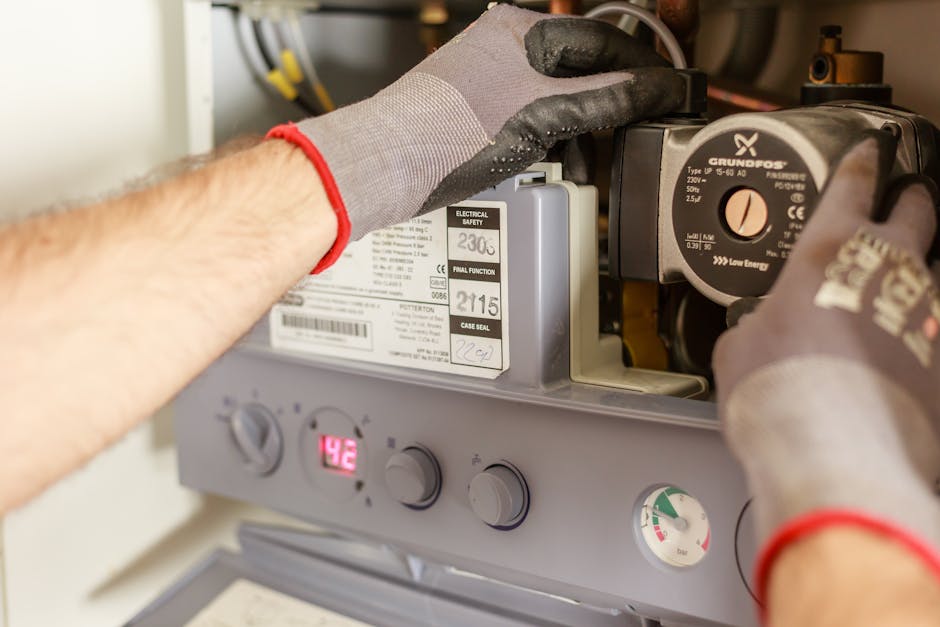
The federal and state-level cancellation rules most warranty companies don't volunteer.
If your home warranty isn't paying back, you can cancel and recover most of your remaining premium. Most warranty companies don't volunteer these rules — but they're required to honor them. Here's the process.
The 30-day right to cancel
Most states require warranty companies to allow cancellation within 30 days of the policy start date for a full refund. Federal Magnuson-Moss Warranty Act provides additional consumer protections for service contracts.
After 30 days: pro-rated refund
Most warranties allow cancellation at any time with a pro-rated refund of the remaining premium, sometimes minus an administrative fee ($25–$75) and minus the cost of any claims already paid.
The math example
- Annual premium: $720 paid up-front
- You cancel after 4 months
- Refund calculation: $720 × (8/12) = $480
- Less admin fee $50
- Less any claims paid in those 4 months ($800 in covered repairs)
- Net refund: $480 − $50 − $800 = -$370
If claims paid exceed the unused premium, you owe nothing additional but get no refund either. Critical to do this math before canceling.
The cancellation script
"I'd like to cancel my policy and request a pro-rated refund of the remaining premium." Be firm. Some retention agents will offer to lower your premium or extend coverage. Decline if you're committed to canceling.
Common retention tactics (and how to handle)
- "Let me transfer you to a retention specialist." — accept, hear the offer, decline if not compelling
- "You'll lose your renewal discount." — irrelevant if you're canceling
- "What if I lower your service-call fee to $25?" — sometimes worth considering, mostly distraction
- "You've already used $800 in claims, so no refund." — verify; ask for itemized claim history
Get cancellation in writing
Verbal cancellation often doesn't stick. Follow up with email confirming:
- Effective cancellation date
- Refund amount
- Refund timeline (typically 7–30 days)
- Confirmation that no future renewals will be processed
Watch your credit card
Warranty companies sometimes auto-renew despite cancellation. Set a payment-block on your card for the renewal date. Dispute any charges that appear after cancellation.
State protection
If a warranty company refuses a valid pro-rated refund, file a complaint with your state's Department of Insurance or Consumer Protection division. Most warranty companies fold quickly when state agencies get involved.
Home Warranty
By Sara Whitfield
·
2026-03-19
·
5 min read
The optional coverage upgrades that pay back — and the marketing fluff to skip.
Home warranty companies make most of their margin on add-ons. Some are genuinely valuable; most aren't. Here's the breakdown.
Worth considering
Pool/spa coverage ($15–$25/month)
Pool pumps fail at $400–$1,200, heaters at $1,500–$3,500. If you have a pool, math usually favors the add-on. Confirm "above-ground equipment" vs. "structural" — only equipment is covered.
Septic system coverage ($8–$15/month)
Septic pump replacement: $1,500–$4,000. Septic system repair: $3,000–$10,000+. If you have septic, coverage often pays back in year 2–3.
Well pump coverage ($5–$10/month)
Well pump replacement: $1,500–$3,500. If you have a well, this is usually a no-brainer.
Refrigerator ice maker coverage
Often included in some plans, sometimes an add-on. Ice makers fail in 5–8 years and replacement is $200–$500. Worth checking if not included.
Roof leak coverage
Some warranties offer this as an add-on for $5–$10/month. Covers minor patches, NOT full roof replacement. Useful for older roofs near end-of-life. Read fine print carefully — many exclusions.
Mostly skippable
Premium / Platinum plans
Often add coverage for items rarely failing (built-in microwave, trash compactor) or items that are cheap to replace (garbage disposal). Premium charge: $10–$20/month. Math usually doesn't pay back.
Code violation coverage
Bundled in some plans, separate in others. Marketing-heavy. Real value depends on your home's age and code currency. Skip unless you have known issues.
Modifications coverage
"Covers modifications required for repairs." Sounds important, often vague. Mostly excluded by the fine print.
Lock re-key
$30–$50 add-on. Re-keying is a $50 task once. Skip.
Removal of failed equipment
$30–$60 add-on. Hauling away an old water heater costs $50–$150 once. Skip unless your contract makes it expensive.
The bundle trap
Companies often bundle several mediocre add-ons into a "Premium" plan and price it $30/month above the basic plan. The bundle math rarely pays.
Better strategy: pick the basic plan, add only the 1–3 specific add-ons that fit your home (well, septic, pool). Skip the rest.
The annual review
At renewal, review which add-ons you actually used. Drop the ones that didn't pay. Add ones you needed but didn't have. Most homeowners overpay by $10–$30/month on unused add-ons after year one.